

Last updated: December 2025
Every Muslim parent hopes their child grows into someone who understands faith with depth, not just memorization. A mindful Muslim doesn’t follow blindly. They reflect, question, analyze, and seek meaning in every teaching. Islamic scholarship has always encouraged reasoning, and today’s children need that skill more than ever.
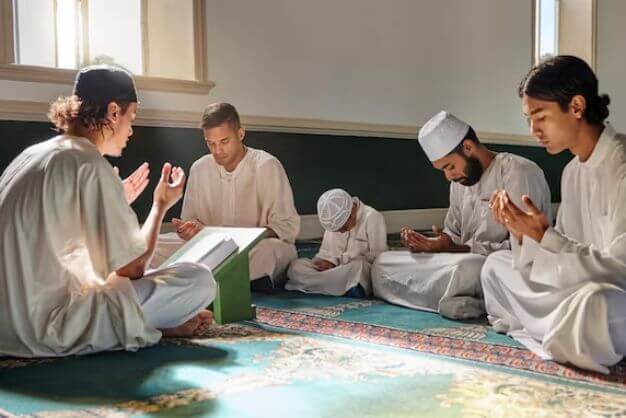
This article looks at how Islamic texts can become a powerful tool for building critical thinking in young learners. It breaks down practical methods parents and teachers can use at home or in Online Quran Classes to nurture thoughtful and grounded understanding. Al Noor Tutoring also follows these principles to help students connect spirituality with clear thinking.
The Islamic Foundation of Critical Thinking
1. The Quran Encourages Reflection
The Quran repeatedly calls the believer to think. Children often hear verses, but they need guidance to understand that Allah invites them to reflect, ask, and understand.
Examples include:
- “Will you not reflect?”
- “Do they not use their intellect?”
These reminders show that a thoughtful approach is not optional. It is part of faith.
2. The Sunnah Promotes Understanding, Not Blind Following
The Prophet Muhammad (peace be upon him) taught companions in a way that helped them think independently. He asked questions, used analogies, and guided them toward deeper insight. Teaching children through stories from the Sunnah can help them adopt the same habit.
3. Scholars of the Past Valued Reason
Classical scholars like Imam Al-Ghazali and Ibn Rushd emphasized reasoning. Their method of analyzing texts, questioning assumptions, and cross-referencing sources sets an example for how Muslims can study Islam with both heart and mind.
Why Critical Thinking Matters for Muslim Children Today
a) It Strengthens Their Connection with Faith
A child who understands why something is important becomes more confident in their Islamic identity. When kids learn through reflection, they feel ownership of their religious practice instead of seeing it as a list of rules.
b) It Prepares Them for Real-World Challenges
Children grow up in a world filled with information and opinions. If they learn critical thinking early, they can separate facts from noise and make decisions aligned with Islamic values.
This becomes especially helpful in:
- school discussions
- digital media exposure
- peer interactions
c) It Encourages a Balanced Muslim Personality
Critical thinking helps children avoid two extremes:
- following everything blindly
- doubting everything without direction
Islamically grounded reasoning helps them stay in the middle—thoughtful, confident, and balanced.
Using Islamic Texts to Teach Critical Thinking
1) Start with Simple Questions
Children learn best when encouraged to ask “why” and “how.” When reading a verse or hadith, parents or teachers can pause and ask:
- What do you think this means?
- Why do you think Allah tells us this?
- How can this help someone today?
Even small questions open the door to deeper thinking.
2) Highlight Context and Background
Many Islamic stories take place in specific situations. Explaining what was happening at the time helps children understand:
- the purpose of the message
- the reasoning behind a ruling
- the wisdom behind an action
For example, when teaching about patience, parents can explain the challenges the Prophet faced in Makkah. This gives children a clearer connection between the lesson and real life.
3) Use Stories the Way the Quran Uses Them
The Quran tells stories not for entertainment, but for reflection. Parents and teachers can follow the same approach:
- Ask children what they learned from the story.
- Ask what they would do in that situation.
- Discuss what the story teaches about character.
This approach trains the child to look for meaning behind every verse.
4) Compare Multiple Texts on the Same Topic
Islam teaches many values through more than one verse or hadith. Showing children different examples helps them:
- identify patterns
- recognize universal themes
- understand how Islam repeats important principles
For instance, kindness appears across stories of the Prophet, instructions for social behavior, and detailed guidelines about character.
5) Let Children Draw Their Own Connections
After reading a passage, encourage children to connect it to daily life:
- school behavior
- family relationships
- social media choices
This makes Islamic teaching practical and strengthens reasoning skills.
Practical Classroom Techniques (Perfect for Home or Online Learning)
a) Guided Reading Sessions
Instead of reading a verse quickly, slow down and walk students through each part:
- vocabulary
- background
- key message
- real-life link
Teachers in Online Quran Classes For Kids often use this method because it encourages thoughtful engagement instead of passive listening.
b) Reflection Journals
Children can write short notes after each lesson:
- What did I learn?
- What questions do I still have?
- What was the hardest part to understand?
This builds introspection and long-term retention.
c) Discussion Circles
Small group conversations encourage students to:
- hear different viewpoints
- compare ideas
- understand multiple interpretations
This method mirrors classical Islamic learning circles where students learned through debate and reasoning.
d) “What Would You Do?” Exercises
Children apply lessons to practical scenarios.
For example:
- If someone is unkind, how would you respond based on today’s verse?
- If you saw someone being treated unfairly, what Islamic principle should guide you?
This makes Islamic teachings actionable.
e) Encouraging Honest Questions
Children sometimes hesitate to ask questions about faith. Teachers should remind them that asking is encouraged in Islam. Even companions asked the Prophet (peace be upon him) many questions for clarity.
Integrating Modern Skills with Islamic Teachings
1) Analytical Thinking
Islamic verses involve layers of meaning. Teaching children to break down a verse trains them to analyze information in other areas of life.
2) Ethical Reasoning
Islam doesn’t only tell Muslims what to do. It teaches why something is right or wrong. Children who learn this can make moral decisions with confidence.
3) Emotional Intelligence
Many Quranic teachings focus on emotions:
- patience
- gratitude
- humility
- forgiveness
Understanding these values helps children regulate their feelings and treat others better.
4) Media Awareness
When children strengthen their reasoning through Islamic texts, they become more resistant to misinformation. This is important in an age where children are constantly exposed to online content.
How Parents Can Support Critical Thinking at Home
Read Together and Talk Through Meanings
Short daily discussions build a meaningful bond with both the Quran and the parent.
Encourage Kids to Ask Questions
Even when parents don’t know the answer, they can explore the explanation together through trusted scholars or authentic sources.
Model Critical Thinking in Daily Life
Children learn by observing. When parents evaluate information before accepting it, children naturally adopt the same habit.
Use Islamic Values to Solve Problems
Every day conflicts offer opportunities to apply Quranic wisdom:
- “What would the Prophet do?”
- “Which value applies here?”
This creates natural moments for reflection.
Choose Learning Platforms That Encourage Thoughtful Study
Academies like Al Noor Tutoring focus on understanding, not memorization alone. Their Online Quran Classes For Kids include:
- explanation-based learning
- stories with context
- guided reasoning exercises
This supports long-term intellectual and spiritual growth.
How Al Noor Tutoring Applies These Principles
a) Focus on Understanding Before Memorization
Teachers ensure students grasp the meaning behind verses before moving to memorization.
b) Student-Friendly Explanations
Lessons use examples that children relate to:
- school interactions
- friendships
- online behavior
c) Open Discussion Environment
Teachers encourage students to ask questions without hesitation.
d) Character Development as a Core Goal
The goal is not only academic success, but nurturing mindful, confident, and compassionate young Muslims.
e) Balanced Use of Classical and Modern Methods
Teachers blend traditional Islamic scholarship with modern teaching techniques to ensure students think deeply and apply what they learn.
Conclusion
Creating a mindful Muslim starts early. Children who study Islamic texts with reasoning grow into adults who understand their faith with clarity and confidence. Critical thinking isn’t separate from religion; it is encouraged by the Quran, supported by the Sunnah, and practiced by generations of scholars.
Parents and teachers can guide children through reflection, conversation, questions, and real-life application. With the right tools and the right learning environment, this becomes a natural and enjoyable process.
If you want your child to grow in understanding, character, and reasoning, consider enrolling them in Al Noor Tutoring’s Online Quran Classes for Kids. The Academy’s structured, thoughtful approach helps young learners build a strong faith and a sharp mind.
Comments are closed