

Last Updated: 27th December 2025
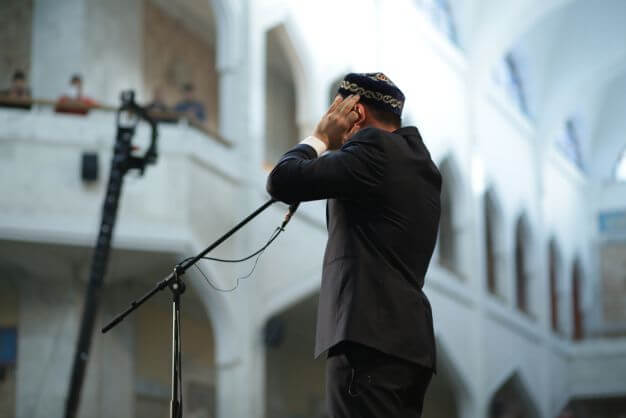
The Azan, also known as the call to prayer, is a powerful reminder of the five daily Salahs that form the foundation of a Muslim’s day. In Islam, the moments following the Azan hold special spiritual value. Muslims are encouraged to recite a particular supplication, known as the Dua after Azan, which carries immense meaning and blessings.
In this article, we will explore the meaning of this Dua, its significance in daily life, and how to practice it correctly, especially for Muslims living in the World.
Understanding the Meaning of the Dua After Azan
The Dua after Azan is a short supplication taught by Prophet Muhammad ﷺ, asking Allah to grant the Prophet the honourable station in Paradise and to accept the caller’s efforts.
In essence, this prayer is not just words—it’s an expression of love for the Prophet ﷺ, an acknowledgment of Allah’s greatness, and a request for divine favour. Its meaning reminds Muslims that each call to prayer is an invitation to success, both in this life and the next.
Why the Dua After Azan Holds Great Significance
The Prophet ﷺ encouraged Muslims to recite this Dua after hearing the call to prayer, promising great rewards for those who do so. In authentic narrations, it is mentioned that whoever recites this supplication will receive the Prophet’s intercession on the Day of Judgement.
For Muslims in the UK, where the sound of the Azan might not always be heard publicly, this Dua serves as a powerful spiritual connection. Whether you hear the call at the mosque, via an app, or recite it from memory at home, it keeps you rooted in the rhythm of Islamic practice.
How to Recite the Dua After Azan Correctly
Step 1 – Listen Attentively
When the Mu’azzin (the one giving the call to prayer) begins, it is recommended to repeat the words of the Azan quietly to yourself, line by line, except for the phrases “Hayya ‘ala-s-Salah” and “Hayya ‘ala-l-Falah”, where you respond with “La hawla wa la quwwata illa billah” (There is no power or strength except through Allah).
Step 2 – Recite the Dua
After the Azan is completed, recite the Dua slowly and with understanding. Reflect on the words as you say them, imagining the blessings you are asking Allah to bestow.
Step 3 – Maintain Consistency
Like any other good habit, the reward of this supplication is multiplied when it becomes part of your daily routine. Even if you miss hearing the Azan, you can still recite the Dua upon knowing the prayer time has arrived.
Making the Dua a Habit in the UK
For many Muslims in the United Kingdom, life can be busy, and the environment may not always remind them of prayer times. However, with modern technology, there are countless tools to help you remember. Prayer time apps, local mosque notifications, and even personal reminders can ensure you never miss the chance to recite this blessed Dua.
If you work or study in an environment where the Azan is not heard, try to take a moment when you see the prayer time approaching to pause and recite the Dua. It’s a simple but powerful act that keeps faith alive amidst daily responsibilities.
Spiritual Benefits of Reciting the Dua After Azan
The benefits of this Dua go beyond its promised reward in the Hereafter. By reciting it regularly:
- You strengthen your connection with Allah – reminding yourself of the purpose of life.
- You honour the Prophet ﷺ – fulfilling a Sunnah that brings blessings.
- You prepare your heart for Salah – shifting focus from worldly matters to worship.
- You gain inner peace – as the remembrance of Allah calms the heart.
These benefits are as relevant for Muslims in London, Birmingham, Manchester, or Glasgow as they are anywhere else in the world.
Incorporating the Dua into Family and Community Life
Teaching children the Dua after Azan can help them connect with their faith from an early age. At home, you can encourage your family to repeat it together after hearing the call to prayer or after announcing the prayer time.
Mosques and Islamic centres across the UK can also include reminders about this Sunnah during lessons and community gatherings, making it a shared act of worship.
Common Questions About the Dua After Azan
1. Do I need to hear the Azan to recite the Dua?
No, you can recite it even if you know prayer time has arrived, but did not hear the Azan.
2. Is the Dua recited after every prayer?
It is recited after the Azan is called, not after Salah itself.
3. Can I recite it in English if I don’t know Arabic?
Learning it in Arabic is best, but you may also reflect on its meaning in your own language for better understanding.
Teach Your Child the Dua After Azan
At Al Noor Tutoring, we help children and adults learn essential daily duas, including the dua after azan, with correct pronunciation, meaning, and practical application. Our online Quran classes focus on building strong Islamic foundations easily and engagingly.
Conclusion:
The Dua after Azan may be short in length, but its rewards are immense. It is a chance to earn the Prophet’s ﷺ intercession, strengthen your bond with Allah, and prepare your heart for prayer.
For Muslims in the UK, where the call to prayer might not echo through the streets, reciting this Dua is a way to bring the mosque’s atmosphere into your personal space. With consistency, it becomes a cherished part of your daily worship—a reminder that no matter where you are, Allah’s invitation to success is always there.
Comments are closed